Mini-bus

IMG_20130206_0001 800 by 600

Modernity is an engine we need to learn to operate. I suspect we are all operating with metaphors, whether we know it or not. Depending on road conditions, a mini-bus driver knows which buttons to push, which gear to shift into. He knows the number of passengers, the stops available to them.

He may not know the final destinations of his passengers, and he does not need to understand. He takes them where he can, on fixed routes, and leaves them to their own fates. The passengers do not know their driver, except that he has a useful and crucial function to serve. In this way, by attending to fixed routines, the disorder of modernity is brought under control. We are all engines (dare I say machines?) connected to one another.
Energetic City

IMG_20130307_0001 800 by 600

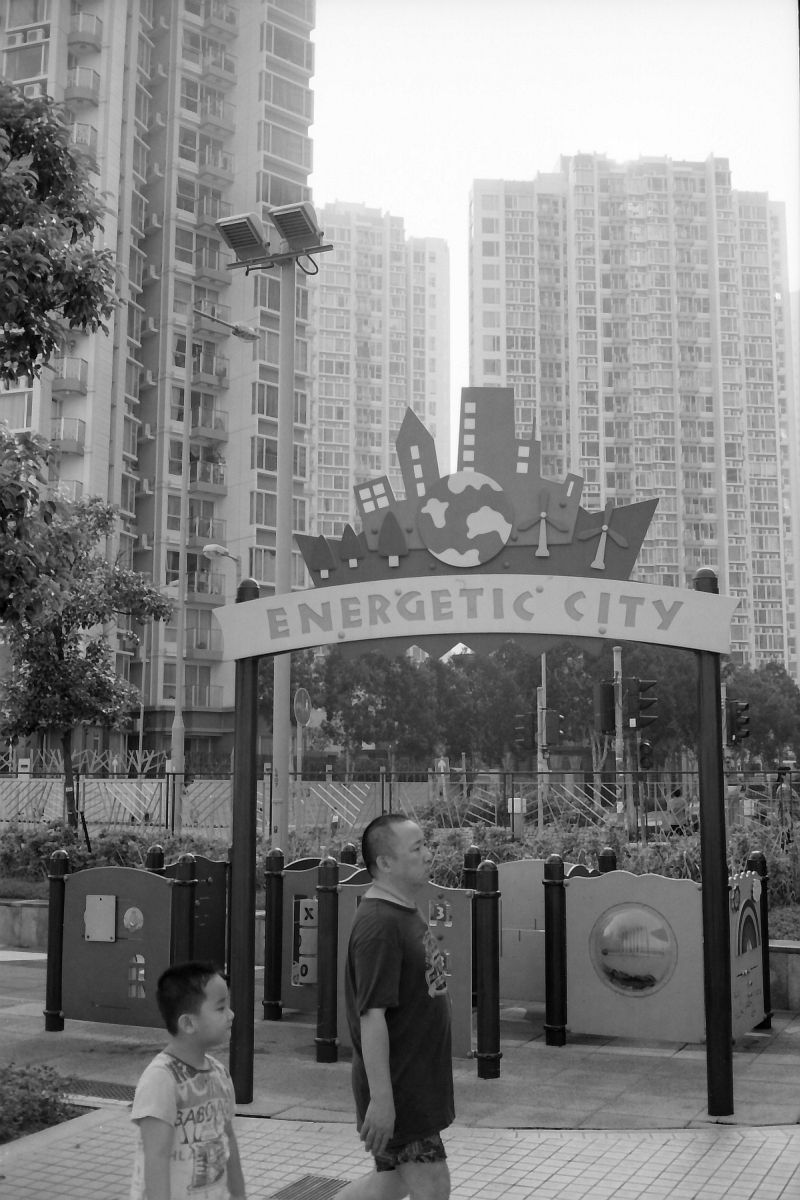
In the photograph, the energy of the city is called into question by the expressions of unwary individuals in candid moments. There is that utopian dimension to modernity, encapsulated in the proud sign “Energetic City”.

The city promises positive transformation even as the high rise buildings tower over and dominate its inhabitants. The deadpan expression of the father walking past the sign imparts the scene its irony, and the slightly suppressed hopeful countenance of the boy tells us he has yet to be properly socialised into a modern figure.

There is then a street wisdom that can be distilled. Because it purports to be easily grasped and navigated, the city projects itself as a child’s playground labyrinth, not unlike the one behind the sign. The father is too wise and world-weary to believe in the sign; in his rejection of this modern platitude, he has become an automaton. The automaton, we should say, is the proper response to the organised happy-clappy progressive modernity in which everything is supposedly understood and transparent.

After Barthes

IMG_20130226_0028 800 by 600

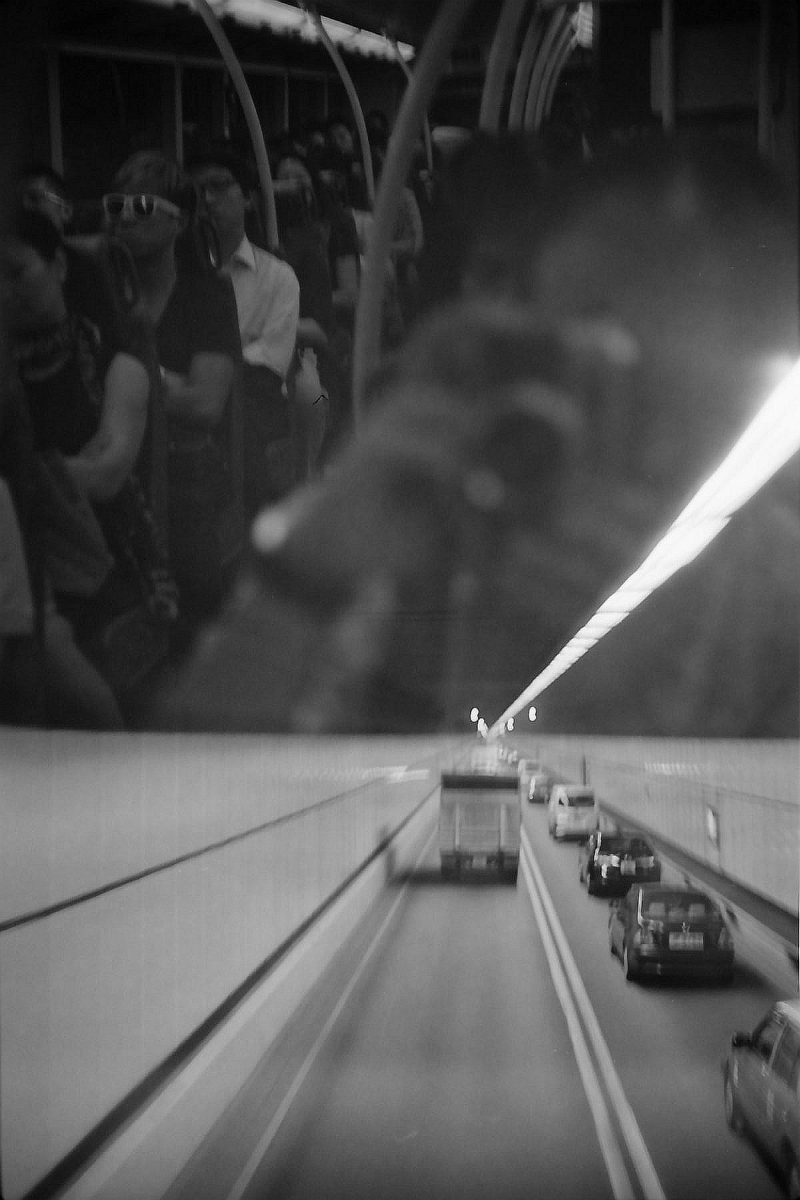
One day, quite some time ago, I happened on one of my photographs of myself. At that moment, I thought: “I am looking at a photograph of myself taking that photograph.” I realised then, that it is possible for me to use my photographs as provocations for thinking.

It is so easy for me to be self-indulgent. A street photograph is a photograph by and of the self even as it is a photograph of others. One could shift back and forth, between that reflection of myself and those of my other fellow passengers behind me on the double-decker bus. I could choose to look at the vehicles on the road and remember I am on a journey. (The act of looking and writing are odysseys in themselves.)

I have been haunted by that moment since. Is it possible to go beyond what I see and hence go beyond myself? I decided there is a possibility here for street photography and for Hong Kong. What can Hong Kong teach me about street photography, and what can street photography teach me about Hong Kong?

Hong Kong Lucida, as the title implies, is inspired by Roland Barthes’ Camera Lucida