Street photography is to some extent about the art of making do.
I tend to think that street photographers are in the same category as street musicians, street performers and street hawkers.
There is technique but it’s the kind of technique shaped by being immersed in a specific environment, rather than one accrued by looking at charts, manuals, and pixels on computer screens.
I am in many ways reassured by David Gibson’s comments in his book The Street Photographer’s Manual, in which he says: “My technique is to get technique out of the way so that I can take pictures” (pg. 36).
He talks about respected street photographers who use the P mode (and cracked a photographer’s joke about “P” being the professional mode).

This is the view from my office window – what I like about it is the contrast between nature (the hill) and the man-made (the air-conditioning whatchamacallit box-thing sticking out).

I pay attention to composition, once I get the thing with the aperture/shutter speed and focus out of the way.
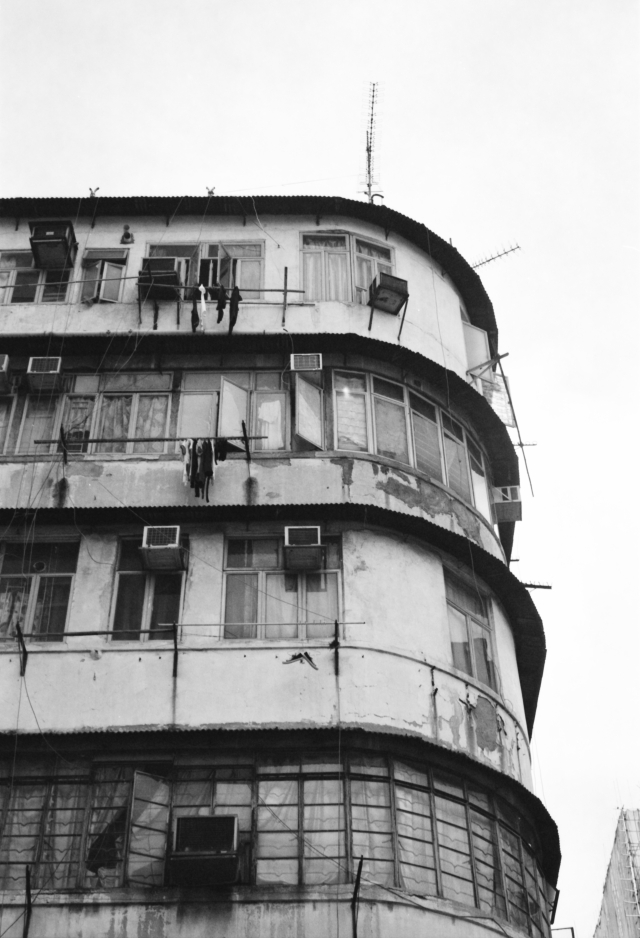
So, buying a new lens for my Leica M6 provokes a crucial question about technique: what could a 35mm lens do that my 50mm Summicron couldn’t?
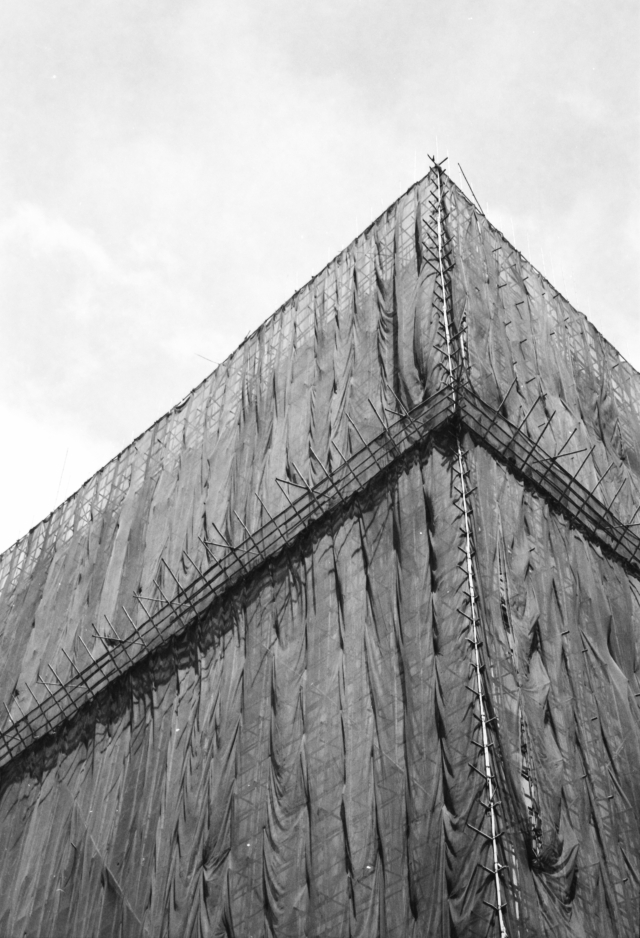
If you have a 50mm lens, take 2 steps back and you have a 35mm lens… that’s street wisdom.
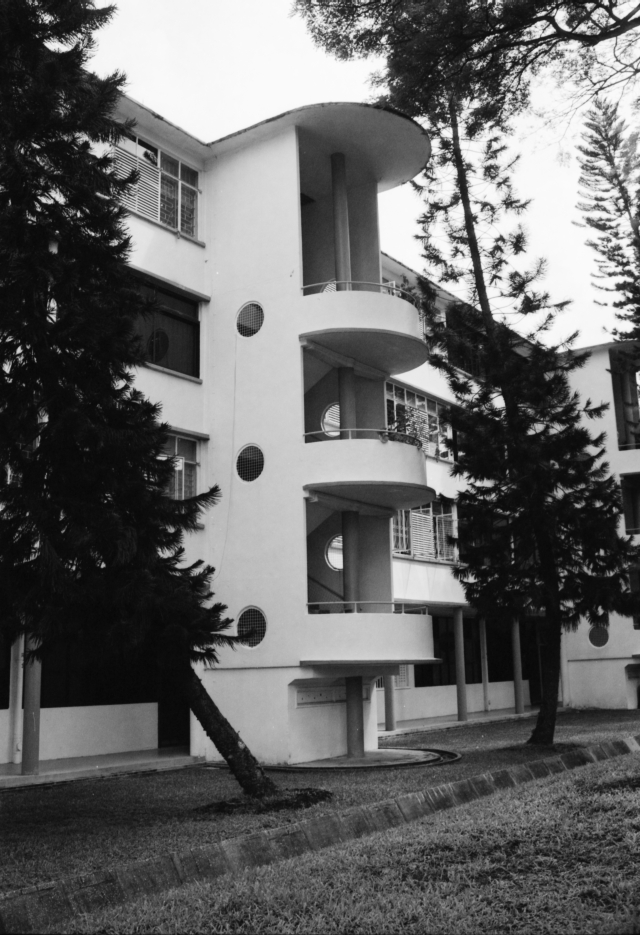
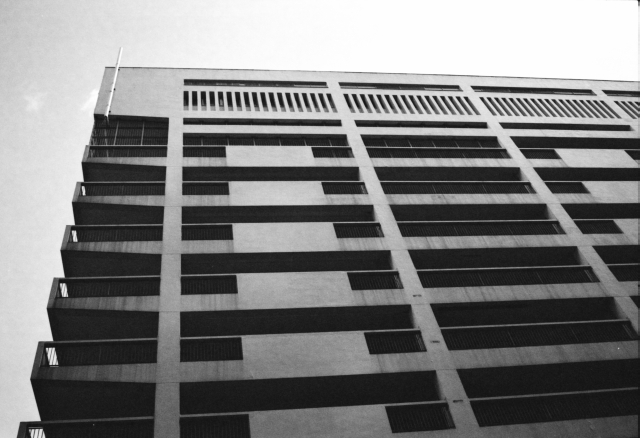
But a 50mm lens gives me that reach, as when I’m trying to capture part of a building, as in above.

Or when I’m taking a picture like the one above. (Could you guess where I was?)
All photos above are taken with my 50mm Summicron Type II lens.
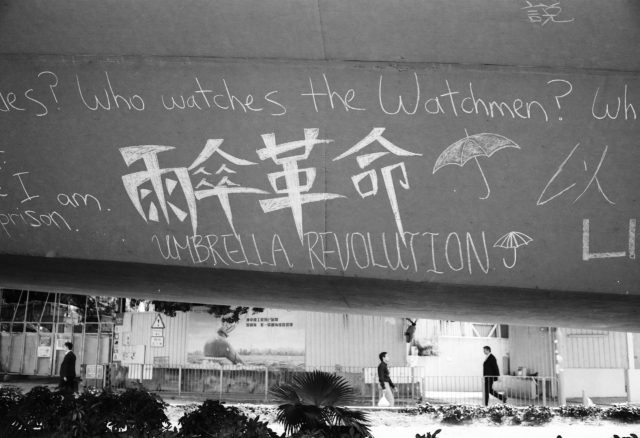
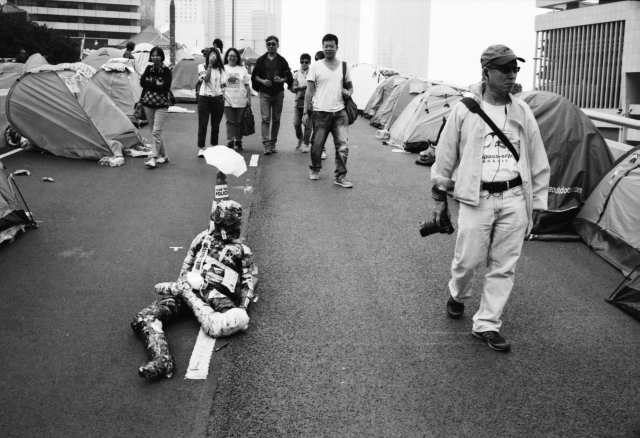
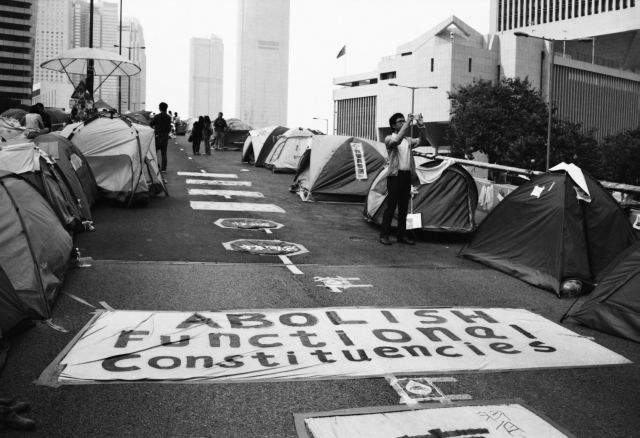
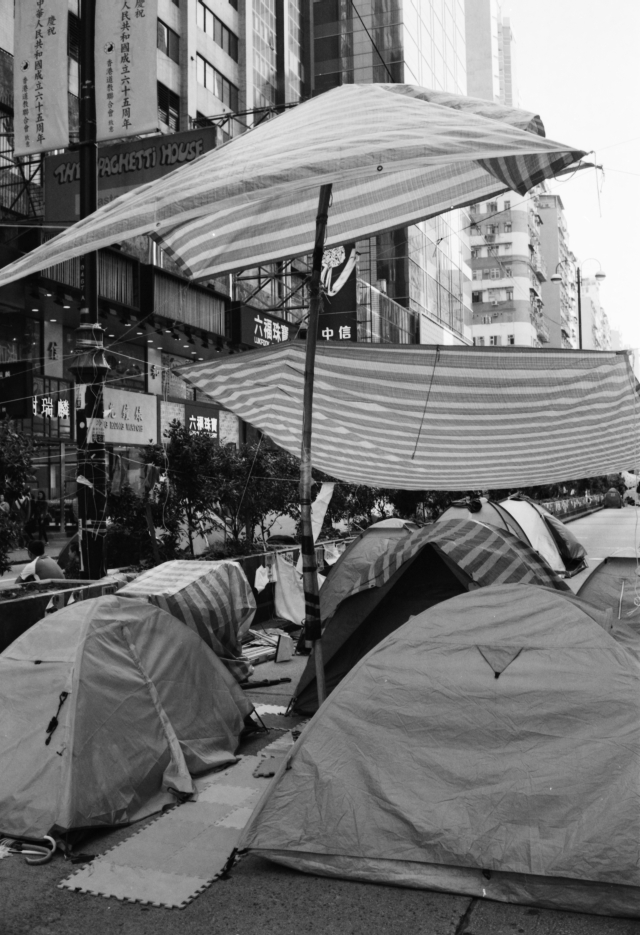
The rest below are with my newly acquired used Voigtlander 35mm f/1.4 Nokton Classic SC, which I think of as a budget (relatively speaking in Leica land) “old-school” lens for Leica film shooters.
All images from this post are from the same roll of film: Fuji Neopan 400CN.
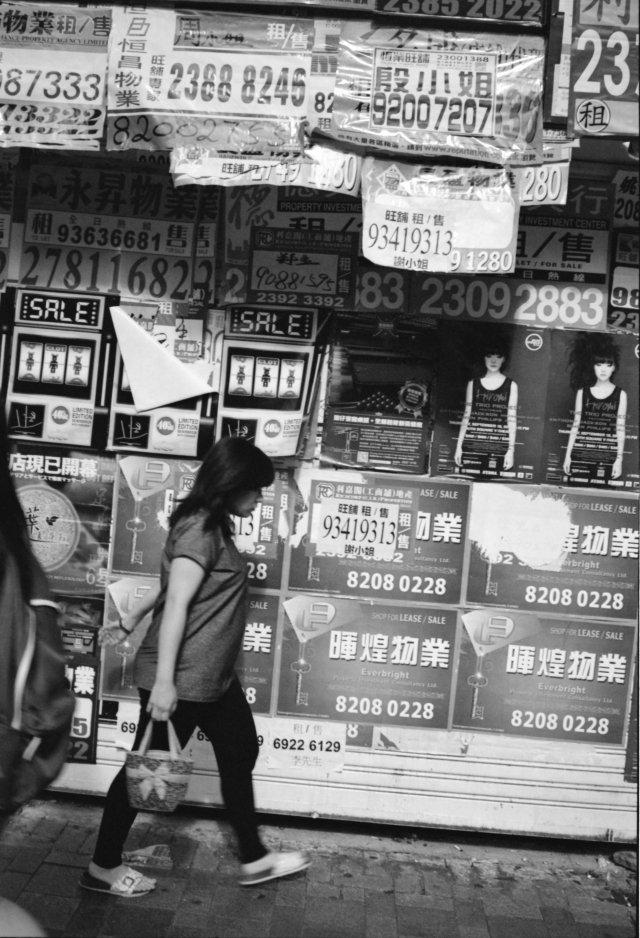
Was it money well spent?
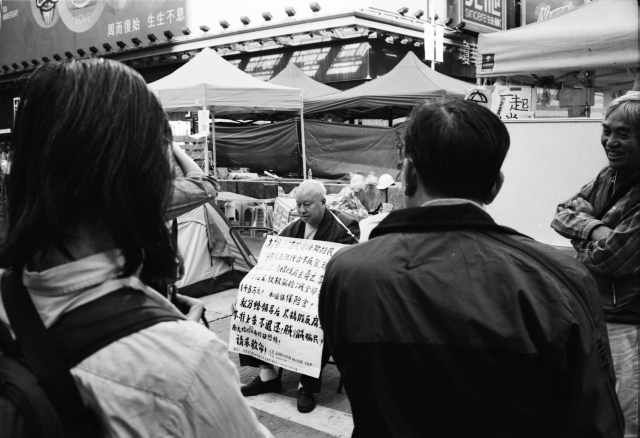
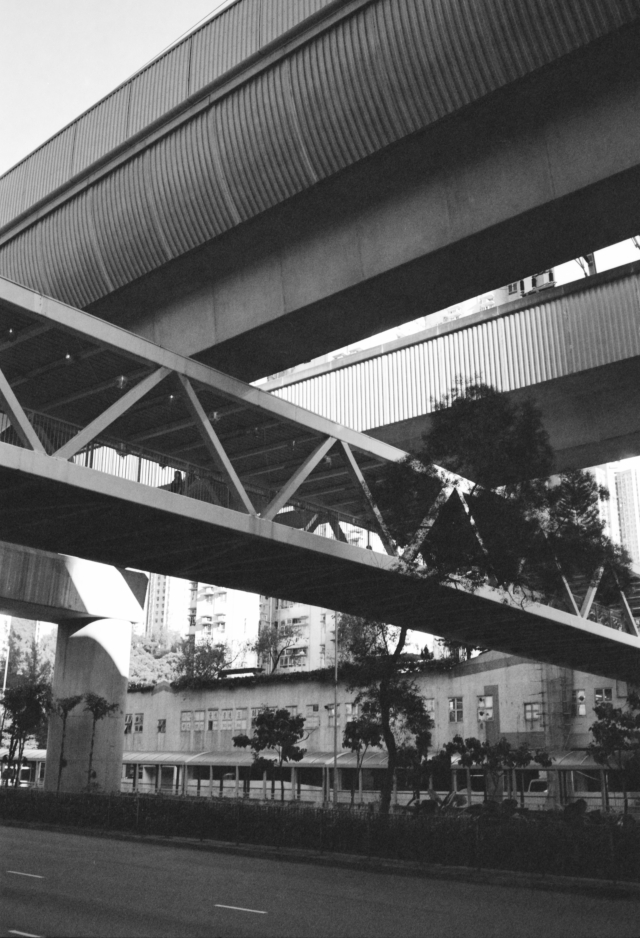
Well … I couldn’t have taken the above shot otherwise, unless I take 2 steps back, which would have placed me in the path of traffic at Nathan Road at Tsim Sha Tsui during rush hour.

I would have captured a smaller portion of the building above.

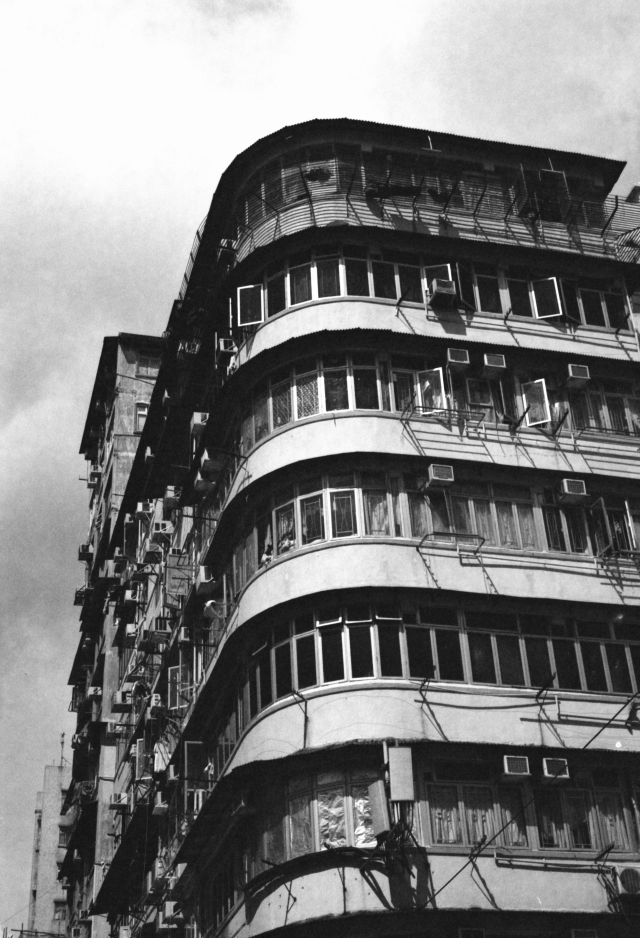
Ditto.

Ditto.

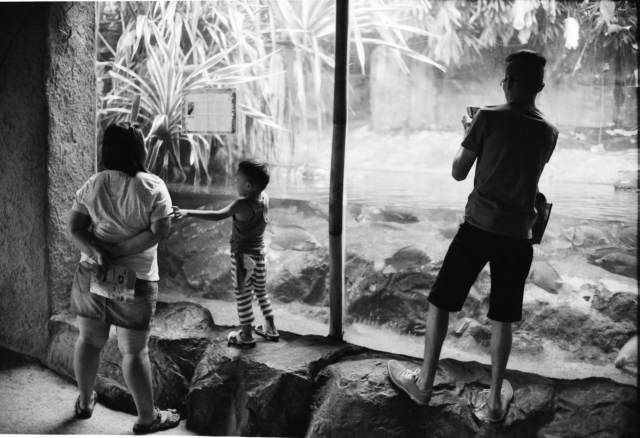
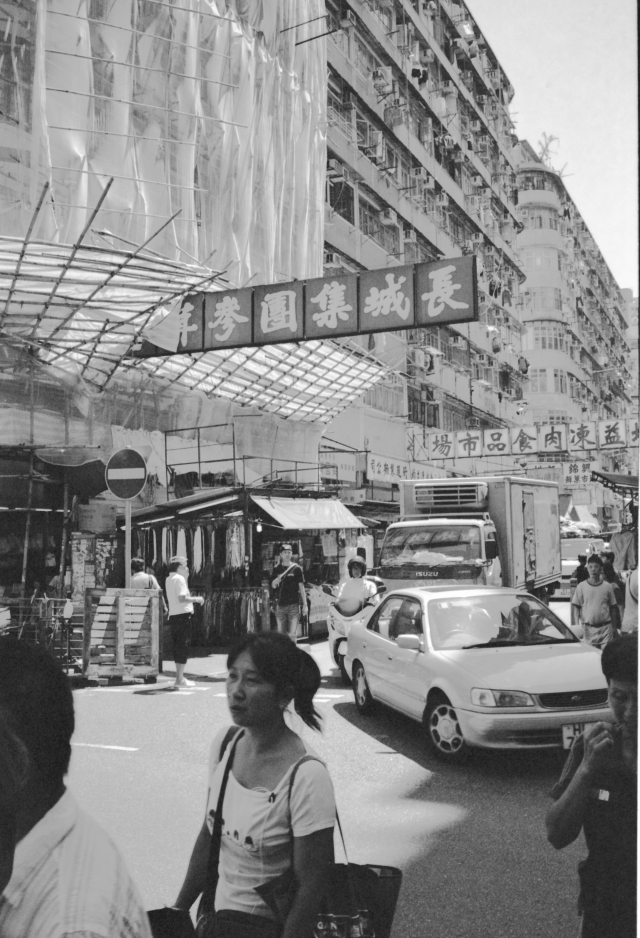
Ditto at Shamshuipo.
There’s a hard-edged feel to the above that I like.

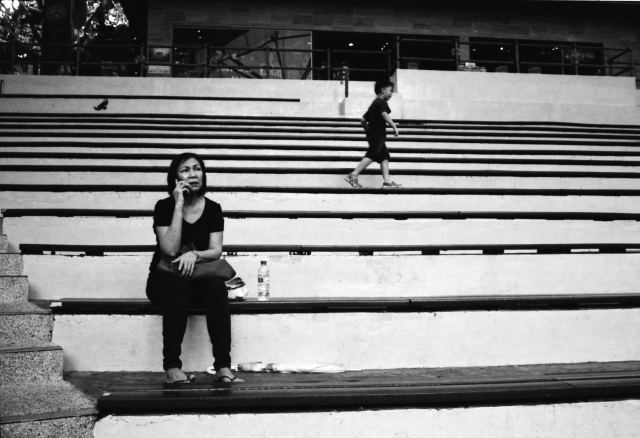
I was trying to capture both people and buildings. The light wasn’t so good that day.

This was on another day, with better light.

Hmm… this brings me back to 1960s newsprint…

Somehow the composition looks complete.

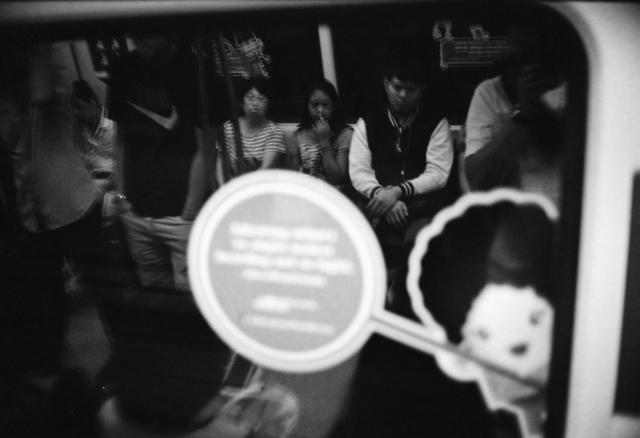
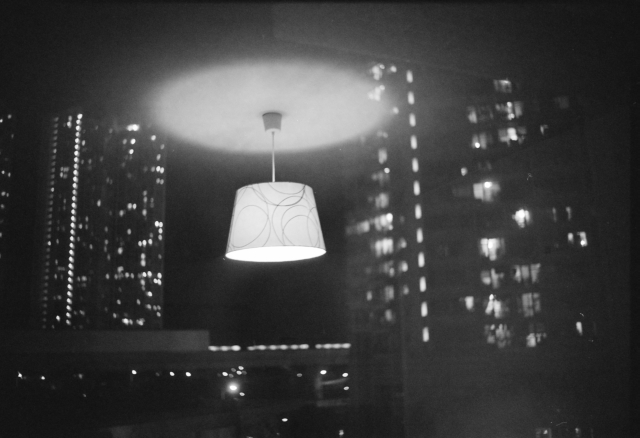
The f 1.4 aperture means I could do some indoors street photography…

Can you guess how the above was done?
Hint: it’s not double-exposure, and I don’t use Photoshop.
So anyway, I hope I’ve convinced you (and myself) why that 35mm Voigtlander lens was necessary.
Now that I have 2 lenses, what’s missing of course is another Leica body.
Perhaps a Leica M4 body might be a good backup/variant for the M6… which means I could do a double Leica combo on the streets…
Thanks for reading, and check out my Saatchi Art page!

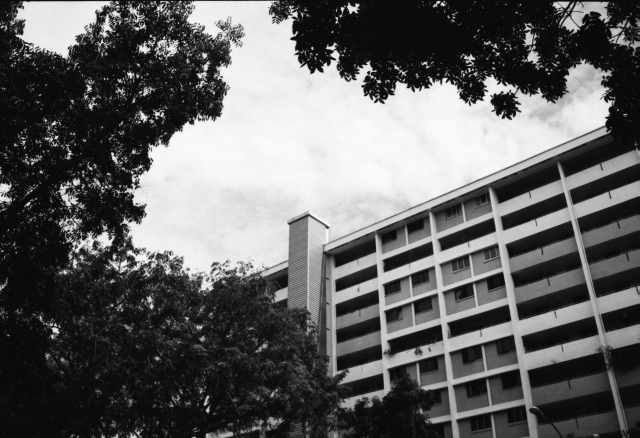

















 Hong Kong Lucida