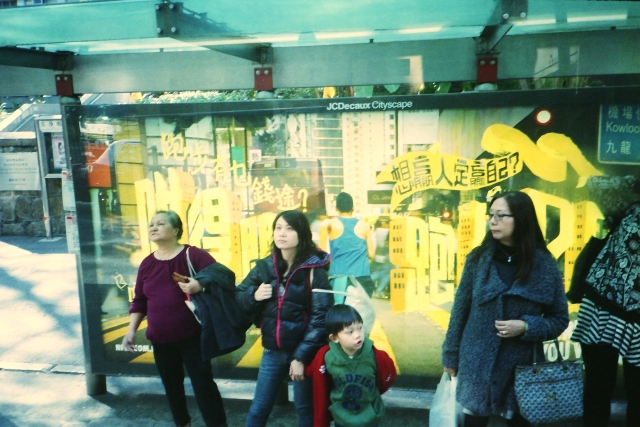
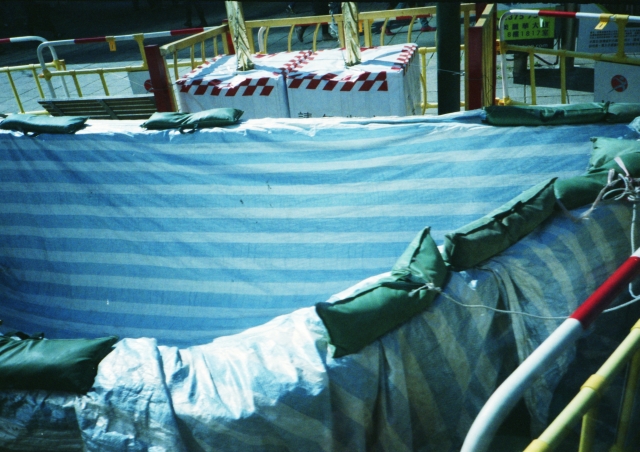
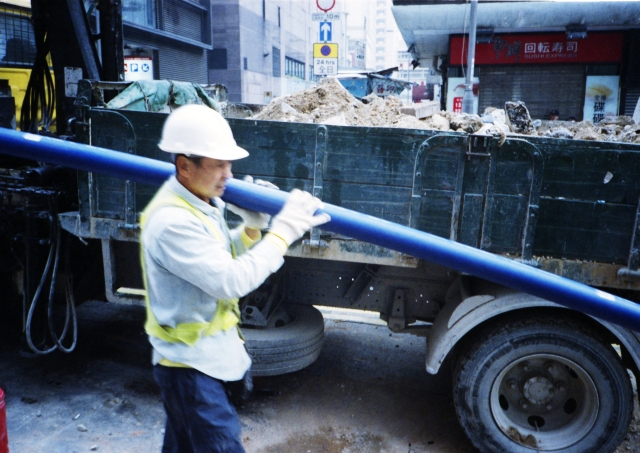
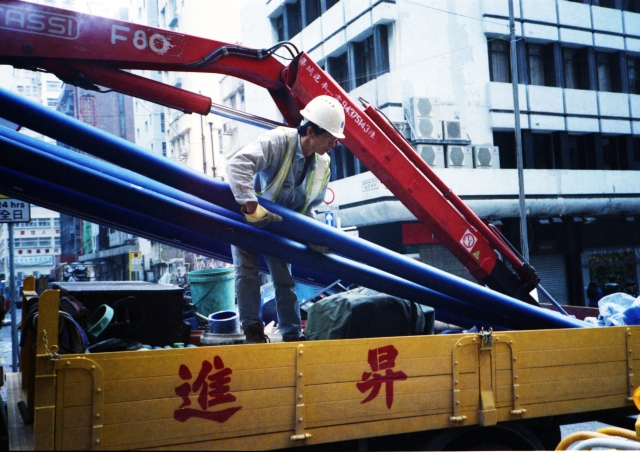
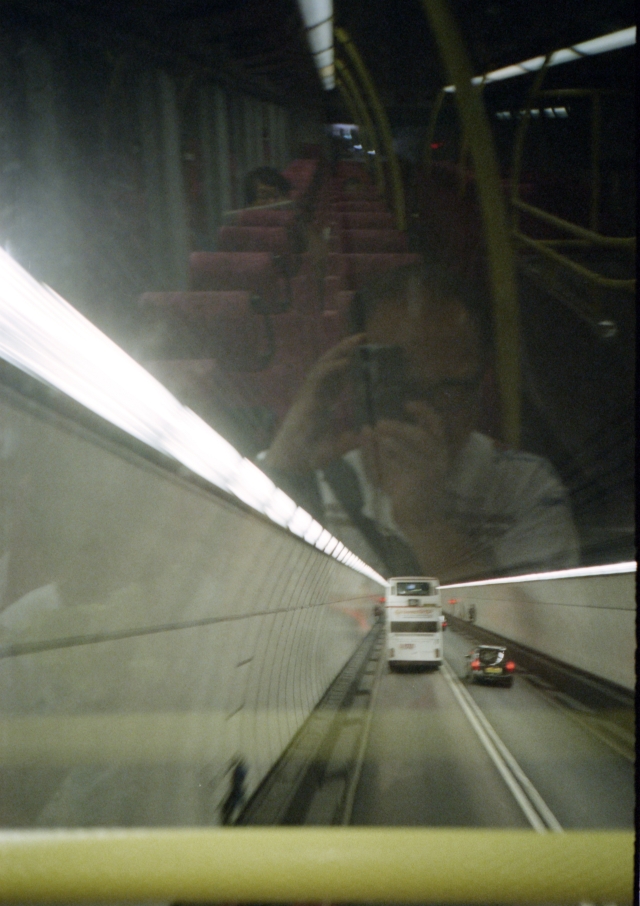
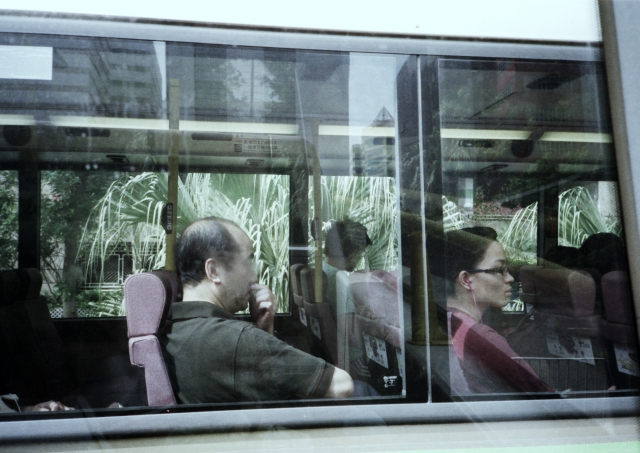
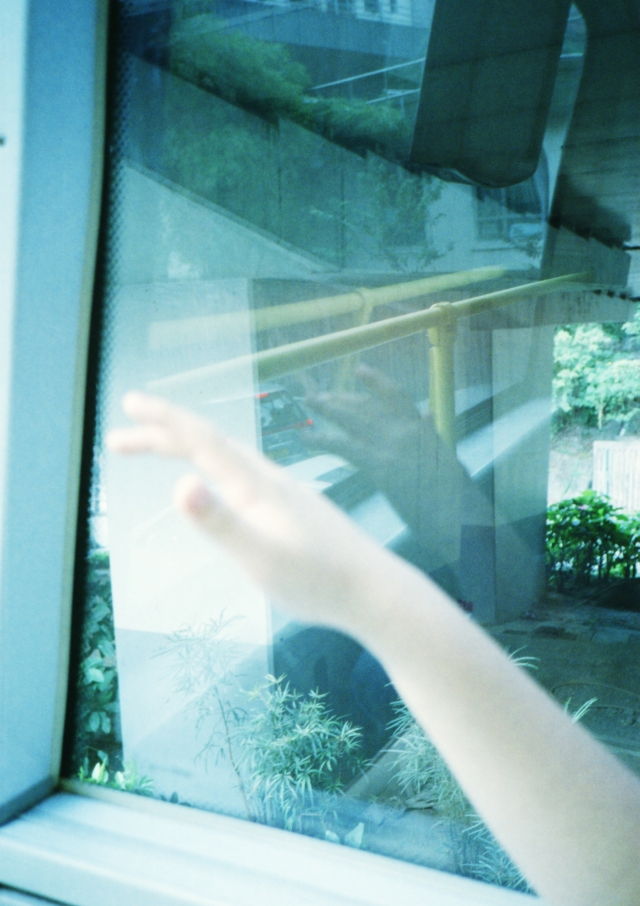
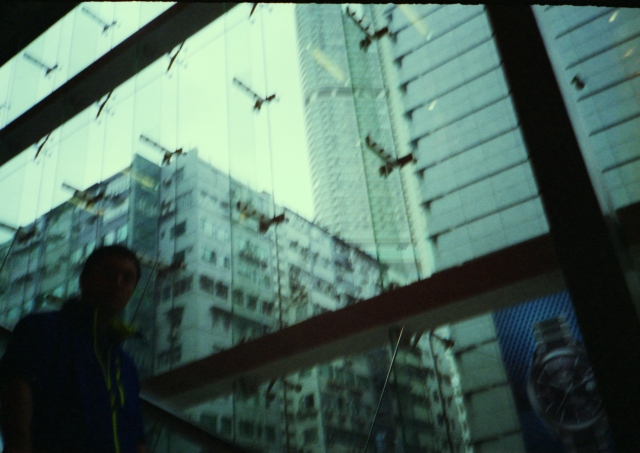
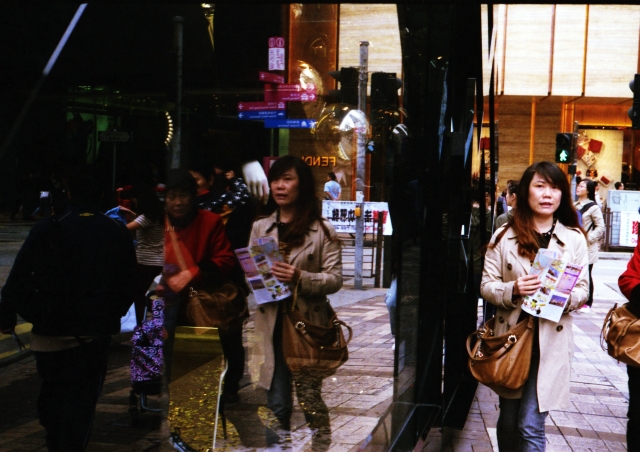
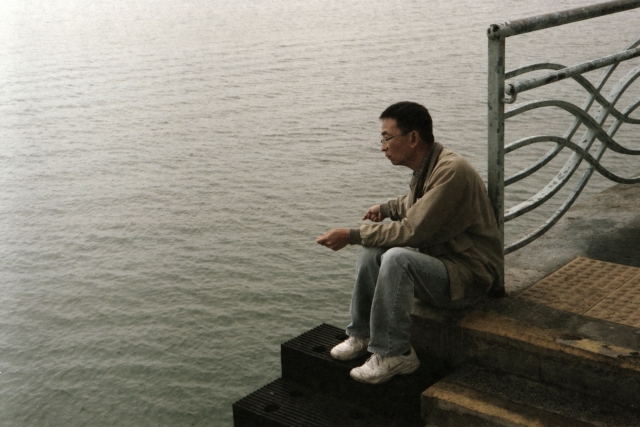
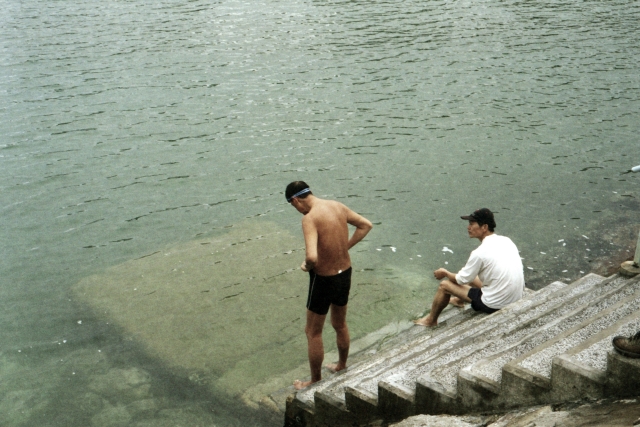
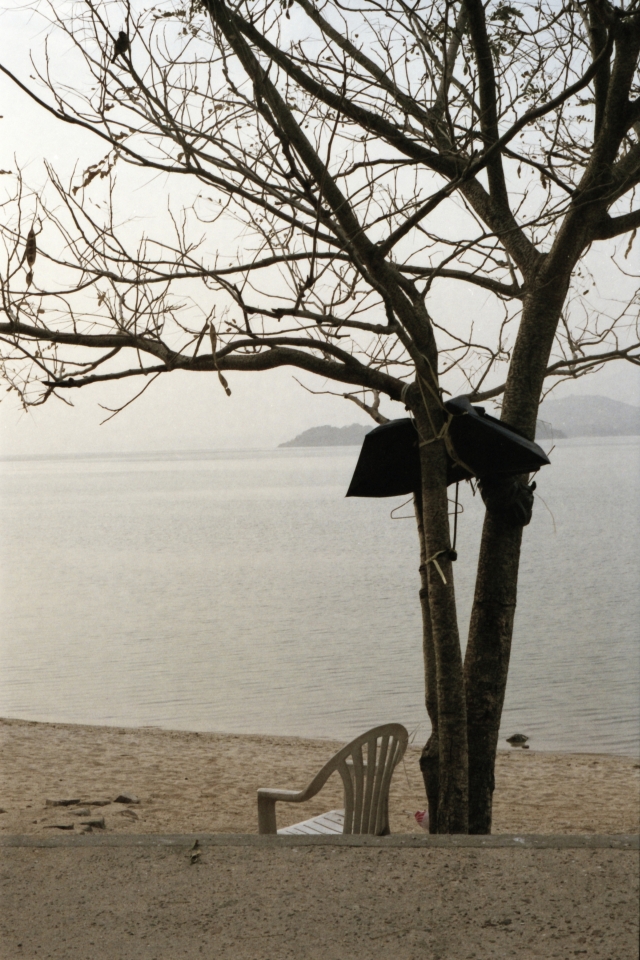
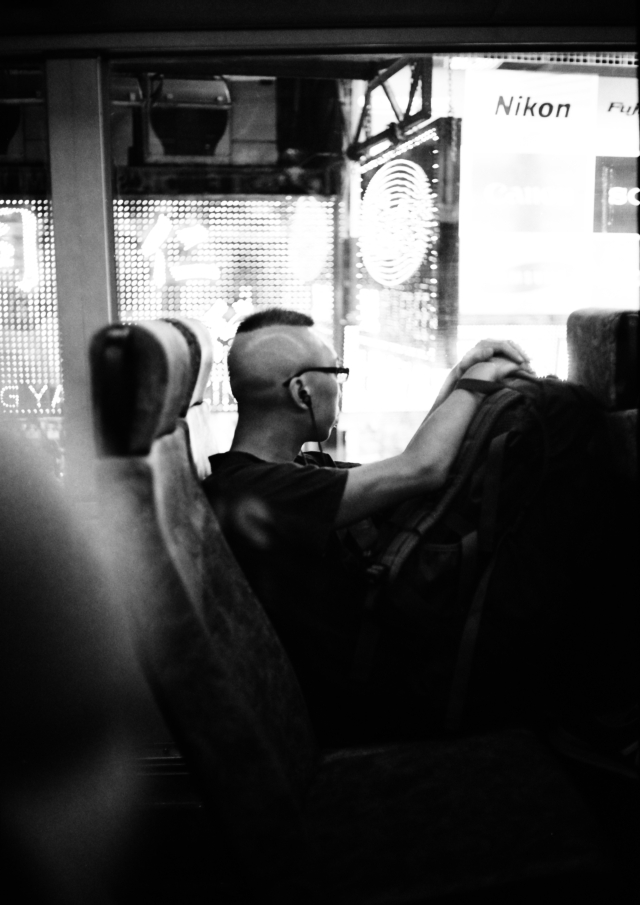
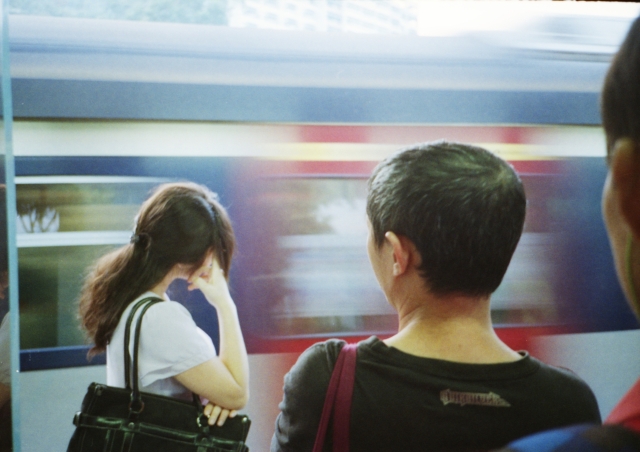
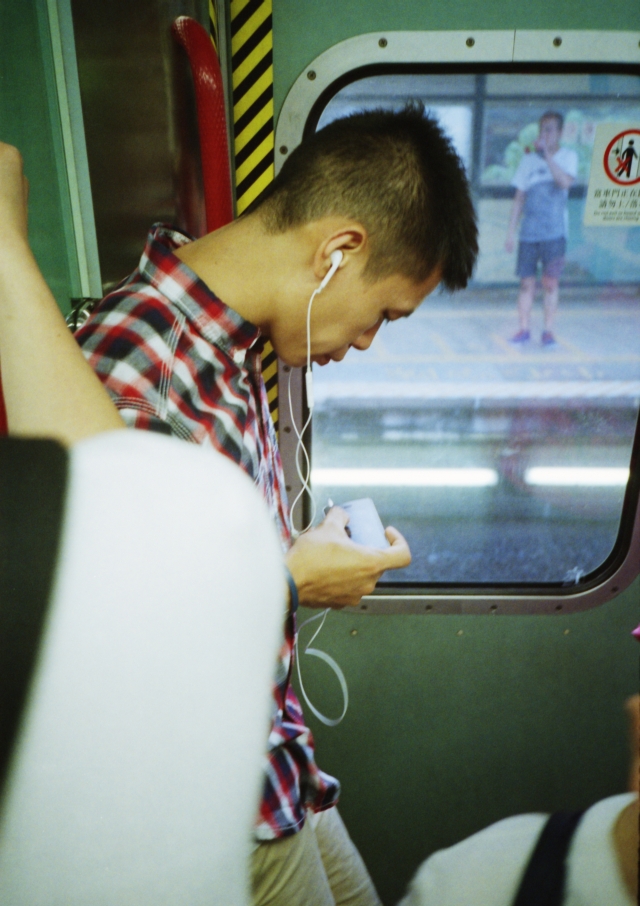
At Tsim Sha Tsui

Again, at Tsim Sha Tsui.

There’s so much happening here.

I don’t mean shopping and eating, though there’s lots of it too.

Sometimes we’re bored while waiting for the bus…

IMG_20131219_0008 640

But there’s so much to see …

IMG_20131219_0007 A4 640

I suppose it’s about framing and movement…

IMG_20131219_0032 640

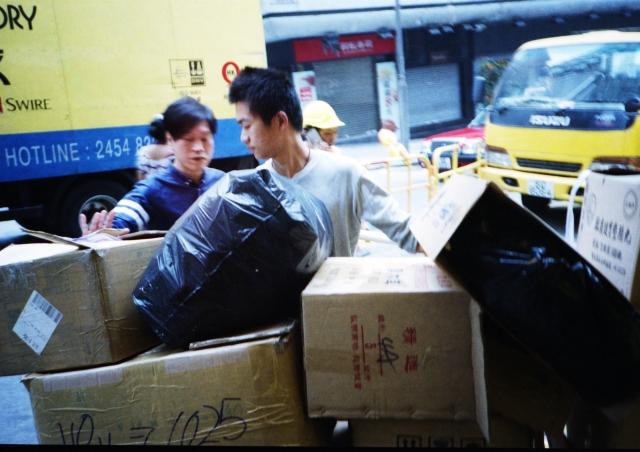
There’re so many people at work.

IMG_20131219_0033 A4 640

I figured I could fire off two clicks before they notice me …

IMG_20131219_0046 A4 640

IMG_20131219_0039 A4 640

I simply love the lomography effect with Fuji Superia 800 film.

Thanks for reading today.

Sham Shui Po

Some time ago at Sham Shui Po, I saw them:

IMG_20130304_0030 640

IMG_20130304_0047 640

IMG_20130304_0043 640

IMG_20130305_0011 640

IMG_20130305_0008 640

IMG_20130304_0037 640

In Wikipedia’s entry on “Sham Shui Po”, you see this sentence: “Sham Shui Po is an area where urban decay is serious in Hong Kong.”

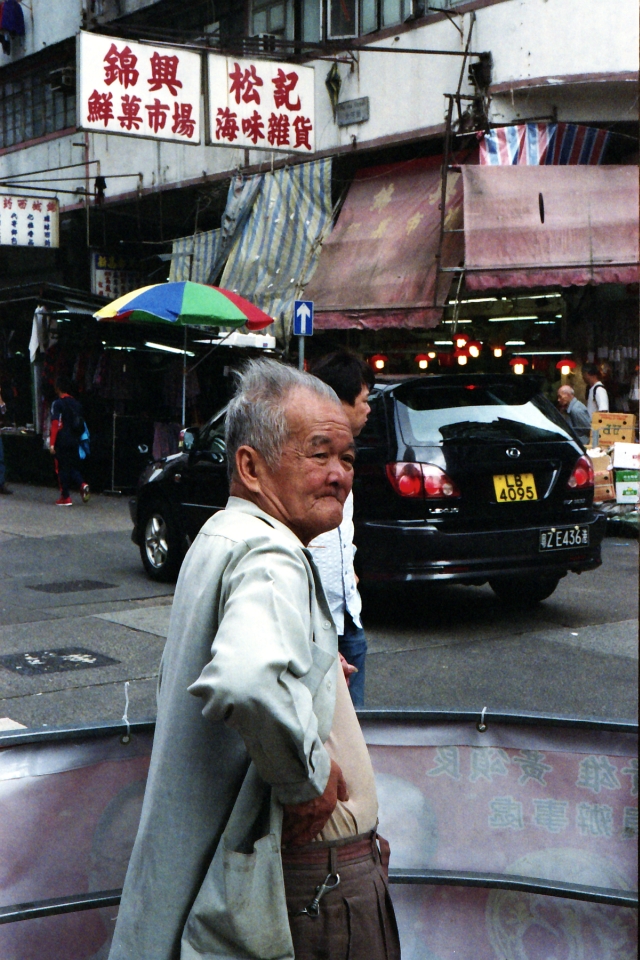
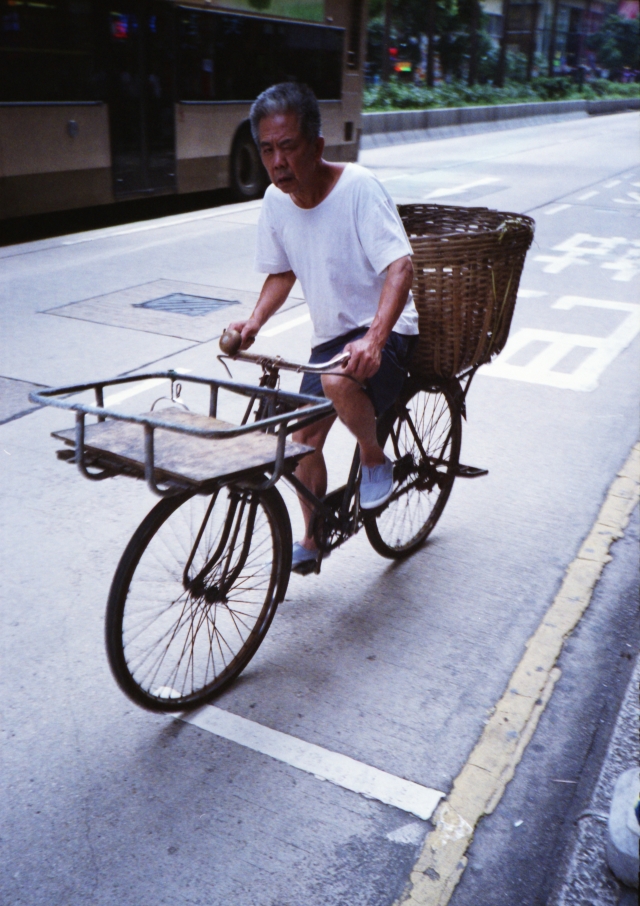
It is easy to call this documentary photography, in the sense that these are pictures that serve as evidence of social categories such as “urban decay”, “poverty”, “old age”, etc, etc.

It’s hard to see otherwise, but sometimes I think we see things only as we can. Classification is easy because it means you’ve “mastered” the world and have successfully explained what you see to yourself.

At times, though, I could see them as people like myself, living their lives just as I am living mine …

I’ll just end here with the beginning of a poem I’ve been living with for quite some time…

— The Man with the Blue Guitar — (by Wallace Stevens)

The man bent over his guitar,
A shearsman of sorts. The day was green.

They said, “You have a blue guitar,
You do not play things as they are.”

The man replied, “Things as they are
Are changed upon the blue guitar.”

And they said then, “But play, you must,
A tune beyond us, yet ourselves,

A tune upon the blue guitar
Of things exactly as they are.”

Wu Kai Sha Beach

There’s something going on at Wu Kai Sha beach.

IMG_20131125_0027 A3 640

I keep seeing Zen-like arrangements:

IMG_20131125_0025 A3 640

The stones are speaking.

And there’s always someone painting the rocks. Sometimes, you see “God is love” in both English and Chinese etched in the sand.

And once in a while, someone builds a turtle sculpture…

IMG_20131128_0022 A3 640

This gentleman has been at it all morning…

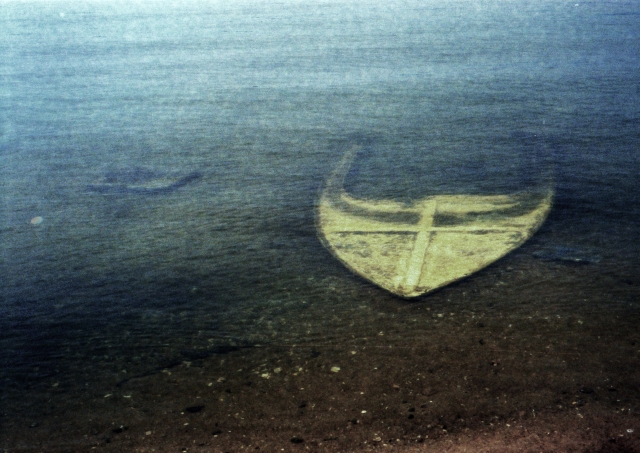
The sand is reclaiming its boat:

IMG_20131128_0011 A3 640

The water has achieved what the sand is doing:

IMG_20131126_0004 A3 640

Am I a shadow thinking I am a man or a man thinking I am a shadow?

IMG_20131128_0012 A3 640

Or am I a shadow of a man or a man emerging from his shadow?

IMG_20131128_0014 A3 640

I text, google, search and take a picture – therefore I am.

Beautiful Mistakes

Sometimes, mistakes can be surprising.

IMG_20131126_0014 A3 640

The focus is off, but the colours are there. There’s some kind of neon lighting that is projected onto the ceiling which changes every 10 seconds or so.

The above and below are taken in a shopping mall at TST near my church. No prizes for guessing which.

I was on an ascending escalator, trying to focus on those buildings outside the glass window and the gentleman entered the frame, descending from top left. It’s underexposed so we can’t really see the person, but the repetitions of the grid and the colours are there. The metal fasteners (is that what they’re called?) look like flying seagulls.

IMG_20131126_0013 A3 640

I’m not sure what went wrong with the photograph below. I think there’s motion blur and it’s overexposed… I don’t remember making this mistake…

I do this every Sunday on my way to church, to the taxi driver when he’s paying the toll at the Lion Rock tunnel.

IMG_20131126_0016 A3 640

In all honesty, I’ve done a bit of post-processing to heighten the colours. But I’ve spend no more than 3-5 minutes on each, simply going along with what the images are telling me, and only with levels and curves with the generic software that came with my scanner.

I suspect they’ll look gorgeous when printed with textured paper and mounted on non-glare glass.

Now I’m beginning to see the appeal of lomography, which is essentially about creating something beautiful from intuition, serendipity and “errors”. That’s the kind of artlessness in photography I’m drawn to…

Thanks for reading.

The Camera as Sketchbook

I’m prepping for a talk on my manuscript in progress which features street photography and poetry.

In some ways, the camera has become my sketchbook.

Here’s Henri Cartier-Bresson from The Mind’s Eye (and the first part of the book is titled “The Camera as Sketchbook”):

For me the camera is a sketch book, an instrument of intuition and spontaneity, the master of the instant which, in visual terms, questions and decides simultaneously. In order to “give a meaning” to the world, one has to feel oneself involved in what one frames through the viewfinder. (The Mind’s Eye pg. 15)

For the street photographer, the camera is a tool for thinking …

Here are some of the photographs I’ll be talking about, the first of which has been featured in a previous entry.

They are each paired with a poem in the manuscript.

I’m only including fragments of the accompanying poems here.

IMG_20130830_0004 640

*

“how hong kong works, no one knows,
though everyone says mm goi, mm goi,
thank you, small favour, another name
for waiter, excuse me, help.”

*

IMG_20130307_0033 640

*

“one can only be a tourist
constantly taking pictures

posing and making sense”

*

IMG_20130813_0029 640

*

“i tell myself i am a camera
though i am a camera trying to be a man

because a camera captures everything
and is nothing in itself.”

*

What they have in common: they’re about looking at the act of looking. In a way, these are photographs of myself…

Thanks for reading.

MTR Moments

I suppose these are not the most technically accomplished of photographs.

Yet there are times when technicality takes a backseat – you could have a technically perfect photograph that is meaningless.

IMG_20131029_0039 A3 A4 640

Here, we’re reminded of how street photography is an art that requires a seat-of-the-pants attitude. Sometimes it’s about serendipity and stealth and being “in the zone”.

IMG_20131029_0040 A3 A4 640

There’s not much to say about the composition in the above photograph.

Perhaps I’m forgiving myself too much, yet the imperfection says something of the constraints of the art in the particular environment.

I simply can’t really walk around and compose my shots in a train cabin as it would attract too much attention.

In any case, the cabin was crowded. Most of these people were about 1-2 metres away from me.

IMG_20131029_0038 A3 640

This person saw me without really registering what I was doing and turned away.

IMG_20131029_0035 A3 640

This person was too engrossed in his reading to notice.

It’s amazing how we switch off when we’re commuting.

IMG_20131029_0036 A3 A4 640

Yet I find these moments, moments when we’re lost in our thoughts, the most poignant of all.

IMG_20131029_0041 A3 A4 640

I didn’t think the above would work at first. I was thinking to myself at that moment that this was a wasted exposure.

I’m biased, of course, but now I think I’d rather like the artlessness of the composition.

IMG_20131029_0052 A3 A4 640

Again, not perfect. It’s not sharp enough.

At times like this, I take comfort in Henri Cartier-Bresson’s statement that “people think far too much about techniques and not enough about seeing” (The Mind’s Eye, p. 38).

Thanks for coming by today.

The Art of Life

I’m planning to use the following quote for a talk on poetry and photography for fellow writers.

It’s from Zygmunt Bauman, a sociologist who has written on what he calls “liquid modernity”. This passage from his book The Art of Life is relevant to those who are on the quest for meaning:

To practise the art of life, to make one’s life a “work of art”, amounts … to being in a state of permanent transformation, to perpetually self-redefine through becoming … someone other than one has been thus far. (The Art of Life 73)

I now have the habit of bringing along one or two film cameras wherever I go. It’s usually a Leica M6, paired with either a Yashica GX, Canonet QL 17 Giii or more recently, the Olympus XA2.

The Olympus XA2 is really stealthy because of zone-focusing. And it’s really quiet too. For example, I could do this in a cab without the driver noticing:

IMG_20131024_0005 A3 A4 640

Try that with a Canon 5D Mark III.

Part of my fascination with film cameras has to do with their longevity – digital cameras either go out of fashion or break down after 3-5 years (though it has to be said that my Canon G11 is still going strong). The Olympus XA2 was made in the 1980s, which means the thing in my hand is about 30 years old.

I guess I am now using my cameras as a sketchbook of sorts, storing material for writing and thinking. This is probably a little too deliberate, but I think of this as pushing myself beyond what I am, “becoming someone other than one has been thus far”, asking street photography to teach me to be a better writer and thinker.

For now, the art of life for me is about storing moments which might otherwise seem artless.

Lately, I have begun to take pictures with only my eyes, imagining what a scene would look like on a photograph… click… click…

And I like this quote from William Todd Schultz, who wrote An Emergency in Slow Motion: The Inner Life of Diane Arbus, a wonderful psychobiography of Arbus:

Artists aren’t always in complete command of their material. Sometimes it commands them and they let it; they get out of the way, the subject matter comes unbidden, it compels them and they follow its lead.

This might be a careless comparison, but Arbus is to photography what Sylvia Plath is to poetry.

And as for material for the street photographer, there’s often poetry to be found in places you least expect, which is why that tiny Olympus XA2 is so handy:

IMG_20131024_0024 A3 A4 640

The above is just next to where I live, a plot of land on which a small shopping mall is being built. *sigh*

I’m always fascinated by how one could be in a built-up area in Hong Kong, and after walking for 20 minutes, be in the midst of idyllic village houses where clothes are hung in open air and kitchens are next to public walkways:

IMG_20131024_0042 A3 A4 640

IMG_20131024_0043 A3 A4 640

And then, 10 minutes later, one is at the beach.

IMG_20131024_0065 A3 A4 640

IMG_20131024_0066 A3 A4 640

And you would come across scenes like this:

IMG_20131024_0067 A3 A4 640

This is Wu Kai Sha beach, and there’re now plans for land reclamation in the area which would mean the beach would be no more… *another sigh*

Thanks for reading.